How to fix a running toilet and stop the noise
A running toilet wastes up to 200 gallons a day and usually traces back to a $12 flapper or fill valve. Here is how Tupelo homeowners fix it in under an hour.
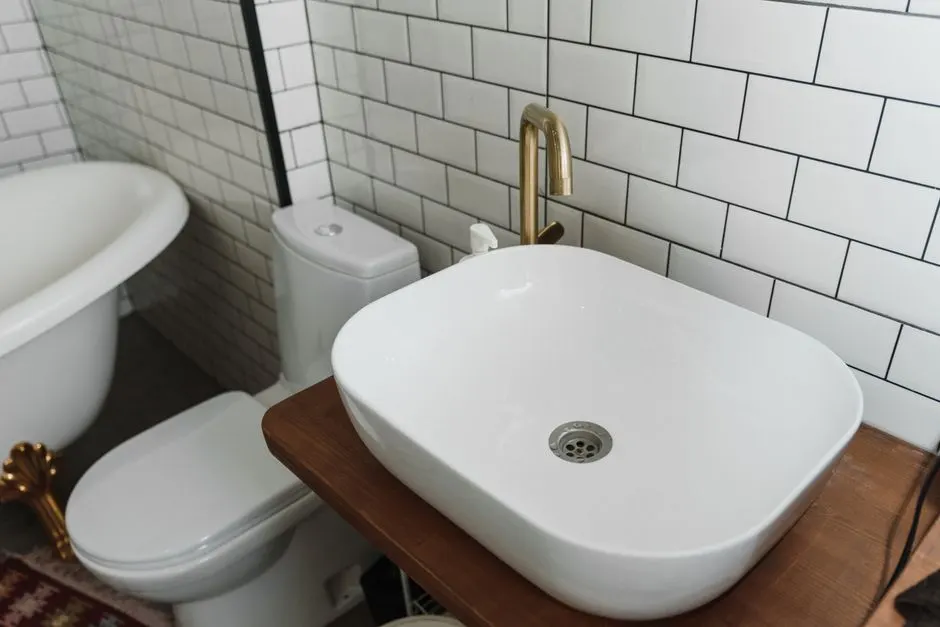
A running toilet is almost always a worn flapper or a misadjusted fill valve, and you can replace either one in about 20 minutes with a $10 to $20 part from any Tupelo hardware store. The noise you hear is water trickling from the tank into the bowl and then down the drain, nonstop, 24 hours a day. Fixing it is one of the cheapest repairs in the house, and it is the single fastest way to shave $20 to $60 off a monthly water bill. Below we walk through the diagnosis, the six-step fix, the parts that fail, and the point where you should stop and call us.
Why your toilet keeps running after you flush
A toilet runs after a flush because the flapper no longer seals against the flush valve seat, so tank water keeps leaking into the bowl and the fill valve keeps replacing it. That is the whole mechanism. The tank never reaches its shutoff level, so the fill valve never stops hissing.
Three things cause that seal to fail: the rubber flapper hardens and warps with age, mineral buildup on the valve seat keeps the flapper from sitting flat, or the chain and lift arm are adjusted so the flapper hangs slightly open. Tupelo water carries enough calcium that we see seat scaling on toilets that are only four or five years old, especially in homes on well water outside the city limits.
Less common but worth knowing: a cracked overflow tube, a fill valve that has lost its calibration, or a flapper that is the wrong size for the tank. If you have already replaced the flapper once and the noise came back within a few months, the seat itself is the problem, not the rubber.
How do I know if my toilet is running right now?
Put a few drops of food coloring in the tank, wait 15 minutes without flushing, and look in the bowl. If color shows up in the bowl water, the flapper is leaking and the toilet is running even when you cannot hear it.
That dye test is the standard check because a slow leak is often silent. A toilet losing a quarter cup per minute is roughly 90 gallons a day, and you will not hear a thing from the next room. The other tell is the water bill. If your usage jumped 3,000 to 6,000 gallons between two billing cycles and nobody changed their habits, start with the toilets before you call anyone.
You can also shut the water off at the wall valve behind the toilet, mark the tank water level with a pencil, and check it an hour later. A drop of half an inch or more means the tank is draining into the bowl.
The four parts that cause a running toilet
Every running toilet in Tupelo traces back to one of four components inside the tank. Knowing which one is failing tells you what to buy before you make the trip to the store.
- Flapper - the rubber seal at the bottom of the tank. Most common failure by far. Replacement runs $8 to $15.
- Fill valve - the tall plastic assembly that refills the tank. Fails when it will not shut off or the float loses adjustment. Replacement runs $12 to $25.
- Flush valve seat - the plastic or brass ring the flapper presses against. Scaling here defeats a brand-new flapper. Replacement runs $15 to $30.
- Flush handle and chain - a chain that is too long tangles under the flapper; too short holds it open. Adjustment is free.
If you are replacing the flapper anyway, spend the extra $10 and do the fill valve in the same trip. They wear at roughly the same rate, and you will not want to drain the tank twice.
How to fix a running toilet in six steps
This is the same sequence our technicians run on a toilet repair Tupelo MS call, minus the trip charge. Budget 30 to 45 minutes if it is your first time.
- Shut off the water. Turn the oval valve behind the toilet clockwise until it stops. If it will not turn, shut off the main at the street or at the house valve.
- Drain the tank. Flush once and hold the handle down to empty most of the water. Sponge out the last inch so you can see the valve seat.
- Inspect the flapper. Lift it and look at the rubber. Curled edges, a stiff feel, or a visible mineral ring on the seat means replace both.
- Swap the flapper. Unhook the old one from the overflow tube, match the size at the store (2-inch is standard, 3-inch on newer low-flow models), and clip the new one on.
- Replace the fill valve if needed. Shut the supply line, unscrew the lock nut under the tank, drop the old valve out, and set the new one so the critical level mark sits at least 1 inch above the overflow tube.
- Test. Turn the water back on, let the tank fill, and listen. If you still hear trickling after 60 seconds, the chain is catching or the seat is scaled.
Set the tank water level so it sits about 1 inch below the top of the overflow tube. Higher than that and water runs straight down the overflow; lower and you get a weak flush.
What a running toilet costs you in Tupelo
A running toilet wastes 30 to 200 gallons a day depending on how badly the flapper leaks, which at Tupelo Water & Light rates works out to roughly $20 to $60 added to your monthly bill. That is the number that makes this repair worth doing today instead of next weekend.
Typical 2026 pricing in this area: a flapper and fill valve kit runs $15 to $30 at retail, and a full rebuild kit with a new seat and handle is $25 to $45. If you would rather not handle it, a standard residential plumbing Tupelo MS service call for a toilet rebuild usually lands between $150 and $275 in parts and labor, and we finish it in under an hour.
Compare that to the alternative. A toilet that runs for six months can push your usage up 10,000 to 30,000 gallons, and if the flapper has been leaking onto the floor at the base, you are looking at a rotted subfloor instead of a $20 part.
Common mistakes that make it worse
Most of the running-toilet callbacks we see come from one of these five mistakes, and every one of them is avoidable.
- Replacing the flapper without cleaning the seat. A fingernail's worth of scale under the new rubber and you are back where you started in three weeks.
- Over-tightening the tank bolts. Porcelain cracks. Snug plus a quarter turn is plenty.
- Bending the float arm to stop the fill. It works for a week, then the valve sticks open and you have a flood.
- Using a universal flapper on a 3-inch flush valve. It will not seal. Match the size to the valve, not the tank.
- Ignoring a wet floor around the base. That is a wax ring or flange problem, not a tank problem, and it will not fix itself.
One more: do not crank the supply valve hard if it has not been turned in years. Old gate valves behind toilets snap easily, and then you are shutting off the whole house to change a flapper.
Flapper or Fill Valve? How to Tell in 30 Seconds
Lift the tank lid and watch the water for 30 seconds. Where the water goes tells you which part failed.
- Water spills into the overflow tube: the fill valve or float is set too high or the valve will not shut off. The water level should sit about 1 inch (2.5 cm) below the top of the overflow tube.
- Water drops below the overflow tube and the tank refills on its own: the flapper is leaking. This is the 'phantom flush' sound every few minutes.
- The refill tube is pushed down inside the overflow tube: it siphons water out of the tank. Clip it so the end sits above the water line.
- The chain is tight or tangled: the flapper cannot seat. Leave about 1/2 inch (1.3 cm) of slack.
When to call a professional
Call us when the tank rebuild does not stop the noise, when water is pooling at the base of the toilet, or when the shutoff valve behind the tank will not close. Those three symptoms point past the flapper and into the flange, the wax ring, or the supply line, and they get expensive fast if you keep flushing.
We also get called when a toilet is running in a rental property, a commercial restroom, or a home that sits empty part of the year. A silent leak in an unoccupied house in Tupelo can run for months before anyone notices the bill. If you are already dealing with water where it should not be, our leak detection Tupelo MS service finds the source before it reaches the subfloor.
For homeowners in the older mill-era neighborhoods near downtown, where original cast iron drains and 1950s fixtures are still in service, a running toilet often shows up alongside a slow drain. If that sounds familiar, our drain cleaning Tupelo MS team can clear the line the same visit.
Frequently Asked Questions
How much does a running toilet cost to fix?
Parts run $10 to $45 if you do it yourself, and a professional rebuild in Tupelo typically costs $150 to $275 in 2026. The repair pays for itself in one to three months of saved water.
Can I just leave a running toilet alone?
No. A running toilet wastes 30 to 200 gallons a day, adds $20 to $60 to your monthly bill, and can leak at the base until the subfloor rots. Fix it within a week.
Why does my toilet run every 20 minutes at night?
The flapper is leaking slowly enough that the tank takes 15 to 25 minutes to drop below the fill valve trigger. That cycle repeats all night. Replace the flapper and clean the seat.
Is a running toilet a plumbing emergency?
Not usually. It is urgent if water is on the floor, if you cannot shut off the supply valve, or if the toilet is in a commercial space. Otherwise it is a same-week repair.
How long should a toilet flapper last?
Three to five years in Tupelo's water. Chlorine and calcium both attack the rubber. If yours is older than that and the toilet runs, replace it before troubleshooting anything else.
Get help with Plumbing in Tupelo
If the tank rebuild did not silence it, or you would rather hand the wrench to someone who does this every day, we can be at your door and have it quiet in one visit. Our team handles everything from a $20 flapper to a full plumber Tupelo MS service call, and we quote the price before we start.
Call TupelomsPlumbing.com at (662) 550-8327 and we will get your toilet quiet and your water bill back to normal.