How to unclog a bathroom sink without harsh chemicals
Clear a slow bathroom sink with boiling water, baking soda, vinegar, and a plunger. Tupelo plumbers explain safe, chemical-free methods that actually work.
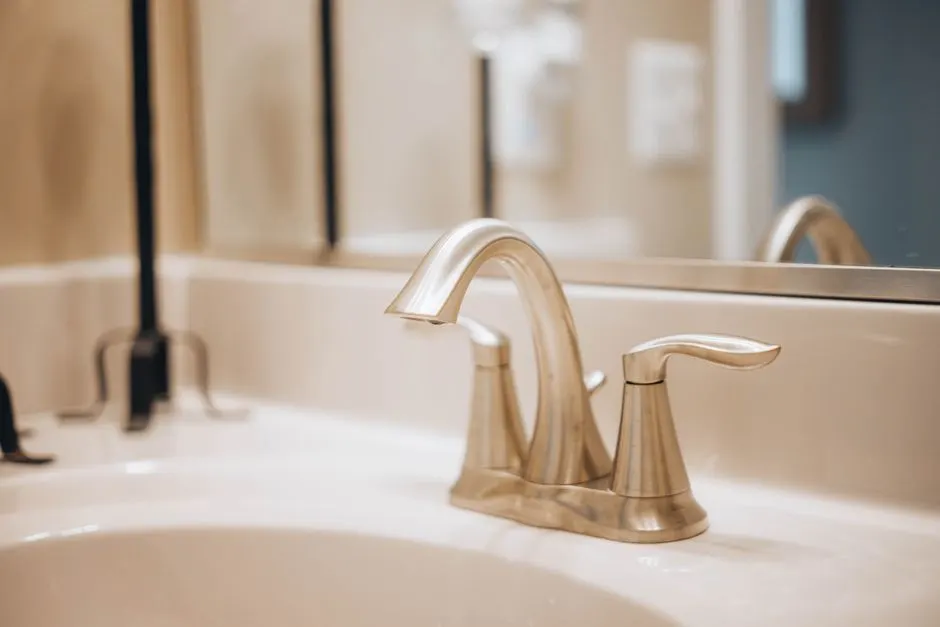
You can unclog a bathroom sink without harsh chemicals by first removing the stopper and any visible hair, then flushing the drain with boiling water, and if that fails, using a baking soda and vinegar reaction followed by a plunger or a drain snake. In most Tupelo homes, that sequence clears a slow bathroom sink in under 30 minutes. This guide walks you through each method, explains why chemical drain cleaners cause more problems than they solve, and tells you when it's time to call a plumber.
We're TupelomsPlumbing.com, a local plumbing company that handles clogged drains across Lee County every week. We've seen what happens when store-bought chemicals sit in a trap for months. Here's how to fix the problem safely.
Why bathroom sinks clog and why harsh chemicals backfire
Bathroom sinks clog because soap scum, toothpaste, and hair bind together inside the P-trap and the tailpiece, creating a sticky mass that water can't push through. Unlike kitchen sinks, bathroom drains rarely see grease - the culprit is almost always a combination of hair and personal care products.
Harsh chemical drain cleaners - the kind with sodium hydroxide or sulfuric acid - work by generating heat to dissolve organic matter. That heat is the problem. A 2026 study from the Plumbing Manufacturers International found that repeated use of chemical cleaners weakens PVC joints and can warp chrome fixtures. In older Tupelo homes with cast iron or galvanized pipes, the damage is worse: the chemicals accelerate corrosion and can lead to pinhole leaks.
There's also a safety issue. If a chemical cleaner sits in a clogged drain and you later try to plunge, you risk splashing caustic liquid onto your skin or into your eyes. And if the drain is completely blocked, the chemical just sits there, eating away at your pipes instead of the clog.
We've seen homeowners spend $15 to $25 per bottle on these products, only to call us a week later with a bigger problem. The safer, cheaper approach is to use mechanical methods first.
Tools and ingredients you already have
You don't need a specialty kit to clear a bathroom sink. Most of what you need is already in your kitchen or garage.
- Boiling water - a full kettle or 4 cups from the stove.
- Baking soda - half a cup.
- White vinegar - one cup.
- Dish soap - a tablespoon of grease-cutting liquid.
- A plunger - a cup-style plunger works best for bathroom sinks, not a flange plunger.
- A drain snake - a 25-foot hand snake is plenty for a bathroom sink.
- A bucket and rag - to catch water and protect the cabinet floor.
If you have a removable stopper, pull it out first. Most pop-up stoppers twist off or are held by a set screw behind the faucet. Removing it gives you access to the hair that's usually wrapped around the pivot rod.
For stubborn clogs that sit deeper in the line, a drain snake is the most effective tool. You can buy one for $20 to $40 at any hardware store in Tupelo. If you'd rather not deal with the mess, our team offers drain cleaning Tupelo MS with professional augers and cameras.
Step-by-step: how to unclog a bathroom sink without harsh chemicals
Follow these steps in order. Most clogs clear at step 3 or 4. If you reach step 6 and water still stands, the blockage is likely in the branch line or main sewer, not the trap.
Step 1: Remove standing water and the stopper
Bail out the sink with a cup or use a wet/dry vacuum if you have one. Then remove the stopper. This alone sometimes clears the clog because the stopper assembly is where hair accumulates.
Step 2: Flush with boiling water
Pour a kettle of boiling water directly down the drain in two or three stages, letting it sit for a few seconds between pours. Boiling water melts soap scum and softens hair. It won't hurt PVC pipes - the water cools as it travels. For metal pipes, it's even safer.
Step 3: Baking soda and vinegar
Pour half a cup of baking soda into the drain, followed by one cup of white vinegar. The mixture will fizz and expand, loosening debris. Let it sit for 15 minutes, then flush with hot water. This method is safe for all pipe materials and won't damage your fixtures.
Step 4: Plunge
If water still drains slowly, use a cup plunger. Make sure there's enough water in the sink to cover the rubber cup. Plunge firmly 15 to 20 times, then lift the plunger quickly on the last stroke. The suction pulls the clog free.
Step 5: Snake the drain
If plunging doesn't work, remove the P-trap or insert a hand snake through the drain opening. Feed the snake until you feel resistance, then crank it clockwise to grab the clog. Pull it out slowly and wipe the debris into a bucket. Reassemble the trap and run hot water for two minutes.
Step 6: Call a professional
If water still backs up after snaking, the clog is deeper in the line. Our team uses a camera to locate the blockage and a professional auger to clear it. We also offer residential plumbing Tupelo MS for whole-house drain issues.
What to watch out for
A few mistakes turn a simple clog into a costly repair. Avoid these:
- Don't use chemical cleaners as a first resort. They can crack older pipes and are dangerous to handle.
- Don't pour boiling water into a toilet. The porcelain can crack. This guide is for sinks only.
- Don't overtighten the P-trap. Hand-tighten plus a quarter turn with a wrench is enough. Overtightening cracks the plastic.
- Don't ignore a slow drain. A sink that drains slowly for weeks is a warning sign. Fix it before it becomes a full blockage.
- Don't mix chemical cleaners. If you've already used a chemical product, do not add vinegar or baking soda - the reaction can produce dangerous fumes.
We've also seen homeowners in older Tupelo neighborhoods, especially around plumbing services in Tupelo, Mississippi where 1950s cast iron pipes are common, cause damage by using too much force with a snake. If the cable won't advance, stop and call us. Forcing it can break the pipe.
How to Keep a Bathroom Sink From Clogging Again
There are 5 habits that keep a bathroom sink draining between cleanings. Each one targets the hair, soap, and toothpaste that cause most bathroom clogs.
- Use a hair catcher. A mesh strainer over the drain stops hair before it reaches the pop-up stopper.
- Clean the pop-up stopper monthly. Pull the stopper, wipe off the hair and soap ring, and reinstall it.
- Run hot water after use. Thirty seconds of hot water carries soap and toothpaste past the trap.
- Use an enzyme cleaner. A monthly enzyme drain treatment eats soap scum without damaging pipes.
- Clean the overflow hole. Soap and mildew in the overflow channel cause the musty smell many people blame on the drain.
When to call a professional
Call a professional if water backs up into other fixtures, if you smell sewer gas, or if the clog returns within a few days. Those signs point to a blockage in the main line, not the sink trap. We handle those calls daily across Lee County.
Our team arrives with augers, cameras, and jetters to clear the line and verify it's flowing. We also check for damaged pipes that could be causing repeat clogs. If you're dealing with a recurring problem, we can inspect the entire drain system and recommend a long-term fix.
We also offer emergency plumbing Tupelo MS for after-hours backups. One call and we'll be on the way.
Frequently Asked Questions
How long does it take to unclog a bathroom sink without chemicals?
Most clogs clear in 15 to 30 minutes using boiling water, baking soda, and a plunger. If you need to snake the drain, allow 45 minutes. Persistent clogs that don't respond within an hour usually require professional equipment.
Is boiling water safe for PVC pipes?
Yes. Boiling water cools as it travels through the drain and won't deform PVC. It's safe for PVC, ABS, and metal pipes. Just avoid pouring it directly onto a cold toilet bowl or plastic fixture.
Can I use vinegar and baking soda on a completely blocked drain?
It won't work if the drain is fully blocked because the mixture can't reach the clog. For a complete blockage, remove the P-trap or use a snake first. Then follow with vinegar and baking soda to clean the walls of the pipe.
What if the clog keeps coming back?
Recurring clogs mean the blockage is deeper than the trap or the pipe has a rough interior that catches debris. We recommend a professional camera inspection. We can identify the exact spot and clear it for good.
Do you offer drain cleaning in Tupelo?
Yes. We provide drain cleaning for homes and businesses throughout Tupelo and Lee County. We use professional augers and jetters to clear clogs without harsh chemicals. Call us at (662) 550-8327 to schedule.
Get help with Plumbing in Tupelo
If your bathroom sink won't clear or you'd rather not deal with the mess, we're here to help. Our licensed plumbers serve Tupelo and the surrounding area with fast, chemical-free drain cleaning.
Call us at (662) 550-8327 to schedule a visit. We'll clear the clog, check the pipes, and make sure everything flows like it should.