When to winterize your plumbing in Tupelo
Tupelo pipes freeze when overnight lows hit 28°F, usually in late November. Winterize by Thanksgiving to avoid burst pipes and water damage.
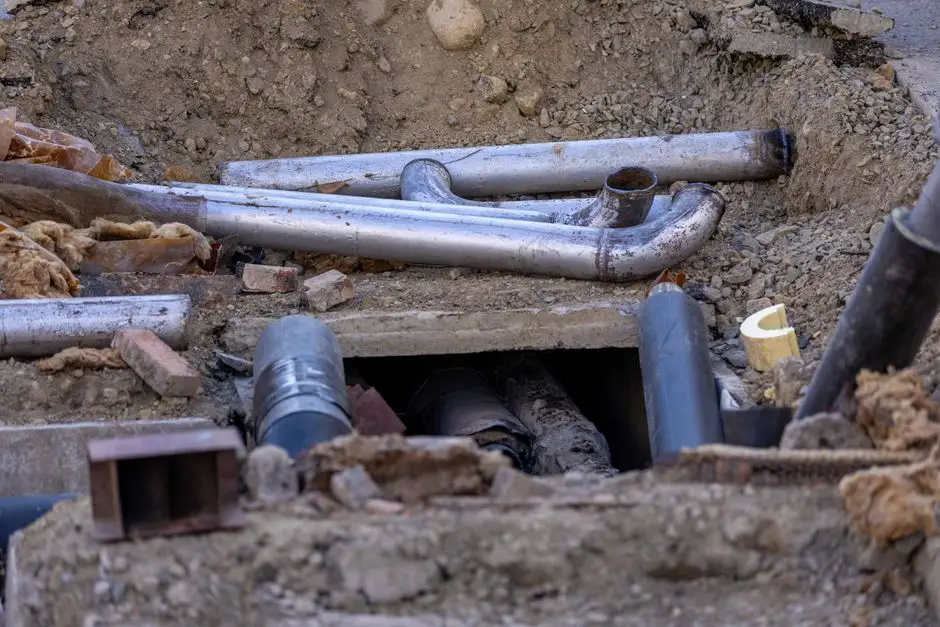
Winterize your plumbing in Tupelo by late November, before the first hard freeze. That means draining hose bibs, insulating exposed pipes, and shutting off irrigation lines while daytime temperatures are still in the 60s. If you wait until the first 28°F night shows up in the forecast, you are already behind. This guide covers the exact timing, the temperatures that matter, and the steps we run on homes across Lee County every fall.
We are TupelomsPlumbing.com, a state-licensed plumbing contractor based here in Tupelo. We have crawled under enough raised-floor homes off West Main and Gloster to know where the weak spots are. Here is what we tell our own customers when they ask when to winterize.
The short answer: winterize by late November
Tupelo's first freeze typically arrives between November 15 and December 5. The National Weather Service puts our average first freeze at around November 20. That gives you a hard deadline: have your plumbing winterized by Thanksgiving.
Winterization is the process of protecting pipes, fixtures, and outdoor water lines from freezing temperatures so they do not burst. It is not complicated, but it is time-sensitive. Once the ground and the crawl space drop below 32°F, the water sitting in your pipes becomes the enemy.
Here is the rough calendar we use:
- Mid-October to early November: ideal window. Warm enough to work outside comfortably, cold enough that you are not sweating in the crawl space.
- Mid-to-late November: still fine, but you are racing the forecast.
- December through February: emergency territory. If you have not winterized by the first hard freeze, call us before you have a burst pipe.
For most Tupelo homes, a full winterization takes two to three hours. We charge a flat rate that starts around $185 for a standard single-family home in 2026. That is cheap compared to the $1,200 to $4,500 a burst pipe repair typically runs once you factor in water damage.
Why Tupelo pipes freeze more than people expect
Tupelo sits in USDA Zone 7b, which lulls a lot of homeowners into thinking we do not get real winter. We do. Our record low is -7°F, and we see single-digit nights roughly every other year. The problem is not the average winter. It is the two or three nights each January when the temperature drops into the teens.
Most of the freeze calls we run come from three specific housing situations:
- Raised-floor homes with uninsulated crawl spaces. Common in older neighborhoods near downtown and the Mill Village area. The pipes run under the floor, exposed to whatever the outside air is doing.
- Homes with hose bibs that were never drained. A $12 vacuum breaker does not protect the pipe behind it. The water in the stub has to come out.
- Homes with irrigation systems that were blown out in October but not capped. The backflow assembly and the exposed risers hold water even after the main lines are cleared.
We also see problems in newer construction where the builder ran PEX through an exterior wall without enough insulation. PEX is more freeze-resistant than copper, but it still splits if the water inside it freezes solid. The pipe does not have to burst at the freeze point. It often bursts 6 to 10 inches downstream, where the ice plug pushes the pressure.
What temperature should you winterize your plumbing in Tupelo?
Winterize when the forecast shows three or more consecutive nights at or below 28°F. That is the threshold where exposed pipes in a crawl space or an exterior wall start to freeze. A single night at 30°F is usually fine. A week of 25°F nights is not.
The 28°F number matters because of wind chill and duration. A pipe does not freeze the instant the air hits 32°F. It freezes when the water inside it stays below freezing long enough to form ice. On a calm night, a pipe in a 30°F crawl space might be fine. On a windy 26°F night, that same pipe can freeze in four hours.
If you are not sure whether your pipes are at risk, we offer leak detection Tupelo MS as part of our winterization service. We use thermal imaging to find the spots where cold air is hitting your lines before the freeze does.
A month-by-month winterization calendar for Tupelo
Here is how we break the season down for our customers. This is the same schedule we follow on our own homes.
October: prep the outdoors
Disconnect every garden hose. Drain the hose bibs. If you have an irrigation system, blow out the lines with compressed air and shut off the backflow preventer. This is also the month to check your crawl space vents and make sure they close properly. A vent that stays open all winter is a direct line of cold air to your pipes.
November: insulate and seal
Wrap exposed pipes in the crawl space with foam insulation. Pay attention to the first three feet of pipe coming out of the water heater and any line that runs along an exterior wall. Seal gaps around pipe penetrations with expanding foam or caulk. A half-inch gap around a pipe is enough to let in a 20°F draft.
If your water heater is in the garage or an unheated utility room, this is the month to check its insulation blanket. A tank-style heater loses heat faster in a cold space, which makes it work harder and shortens its life. If your heater is already 10 to 12 years old, you might be better off with a water heater installation Tupelo MS before the cold snap hits.
December through February: monitor and protect
Once the first freeze hits, your job is maintenance. Keep cabinet doors under sinks open on exterior walls so warm air circulates. Let a pencil-thin stream of water run from the faucet furthest from your main shutoff on nights below 25°F. That trickle costs you a few cents in water and can save you thousands in repairs.
If you leave town for the holidays, do not just turn the heat down to 55°F and hope for the best. Either leave the heat at 60°F or higher, or shut off the main water valve and drain the system. We get more calls from vacation-related freeze damage than from any other cause.
The 7-step winterization checklist we run on every Tupelo home
This is the exact sequence our technicians follow. You can do most of it yourself, but the crawl space work is easier with a second person and a good flashlight.
- Shut off and drain outdoor water lines. Hose bibs, irrigation, pool fill lines, and any exterior kitchen or utility sink.
- Insulate exposed pipes. Foam sleeves on every accessible line in the crawl space, attic, and garage. Focus on elbows and tees, where ice forms first.
- Seal air leaks. Expanding foam around pipe penetrations, weatherstripping on crawl space doors, and plastic over foundation vents.
- Check the water heater. If it is in a cold space, wrap it. If it is older than 10 years, have it inspected. A failed heater in January is a bad week.
- Test the main shutoff. Make sure you can actually turn it. A shutoff that has not moved in five years often seizes up.
- Locate your pressure-reducing valve. If your home has one, know where it is. A frozen PRV can cause pressure spikes that blow out supply lines.
- Set a freeze alarm. A $30 Wi-Fi temperature sensor in the crawl space will text you before the pipes do.
If you are not comfortable in the crawl space, we can run the whole checklist for you. We also handle pipe repair Tupelo MS if we find a line that is already cracked or corroded while we are down there.
Common mistakes we see when Tupelo homeowners winterize
The biggest mistake is waiting for the first freeze warning. By then, the hardware stores are sold out of foam insulation and every plumber in Lee County is booked solid. Winterize in October or early November, not the day before the cold front.
Here are the other ones we run into every season:
- Leaving the hose connected. A hose full of water freezes and splits the bib. The split is often inside the wall, where you cannot see it until the thaw.
- Insulating the pipe but not the valve. The valve body holds water too. Wrap it.
- Using heat tape without a thermostat. Heat tape that runs 24/7 is a fire risk. Use a thermostatically controlled model, or skip it and insulate properly.
- Forgetting the tankless water heater. Tankless units have freeze protection, but it only works if the unit has power. If you lose electricity in an ice storm, the heat exchanger can freeze. Know how to drain it.
- Assuming the attic is safe. Attics get colder than crawl spaces. Any pipe up there needs insulation.
We also see homeowners who winterize the supply lines but forget the drains. A trap full of water can freeze and crack, especially on a sink that backs up to an exterior wall. Pour a cup of RV antifreeze down each unused drain before a hard freeze.
How to Winterize a Vacant Home or Rental in Tupelo
A vacant home or rental needs full winterization, not just dripping faucets. These 6 steps protect a house that will sit empty through a freeze.
- Shut off the main water valve. Close the house valve, or the curb stop at the meter if the house valve is unreliable.
- Drain the supply lines. Open every faucet, starting at the top floor and finishing at the lowest faucet or hose bib.
- Drain the water heater. Turn off the gas or the breaker first, then drain the tank through the drain valve.
- Blow out the lines. Compressed air pushes trapped water out of low spots and long runs.
- Protect traps and toilets. Pour non-toxic RV antifreeze into every sink, tub, and shower trap and the toilet bowls after draining the tanks.
- Leave a note. Tag the main valve and water heater so no one turns them on before the system is checked.
When to call a professional
Call us if you have any of these situations: a crawl space you cannot access, a water heater older than 10 years, a history of frozen pipes, or a home you are leaving vacant for more than a week. We handle winterization for homeowners across Tupelo, from the neighborhoods near Barnes Crossing to the older homes off North Gloster.
We also get calls from property managers who need a whole building winterized. That is a different scope, and we handle it through our commercial plumbing Tupelo MS team. If you manage rentals, we can put together a winterization schedule that covers every unit before the first freeze.
For most single-family homes, we can get you on the schedule within a week during October and November. Once December hits, we shift to emergency response. If you are reading this in January and your pipes are already frozen, call us. Do not try to thaw them with a torch. We have seen too many house fires started that way.
Frequently Asked Questions
What month should I winterize my plumbing in Tupelo?
Late October through mid-November. Tupelo's first freeze averages around November 20, so you want the work done at least two weeks before that. If you miss that window, do it immediately. Every week you wait increases the risk of a burst pipe.
At what temperature do pipes freeze in Tupelo?
Exposed pipes start freezing when the air around them stays at or below 28°F for several hours. In a Tupelo crawl space, that usually means three or more consecutive nights in the mid-to-upper 20s. Wind makes it worse. A 26°F night with 15 mph wind can freeze a pipe in four hours.
How much does it cost to winterize plumbing in Tupelo?
For a standard single-family home, expect $185 to $350 in 2026. That covers draining outdoor lines, insulating exposed pipes, and sealing air leaks. Larger homes or homes with crawl spaces that are hard to access run higher. A burst pipe repair, by comparison, starts around $1,200 and goes up fast if there is water damage.
Do I need to winterize if I live in a newer Tupelo home?
Yes. Newer homes have better insulation, but they still have hose bibs, exterior wall penetrations, and often a tankless water heater. We see just as many freeze calls from homes built after 2015 as from older ones. The difference is usually the crawl space, not the age of the house.
What should I do if my pipes freeze?
Shut off the main water valve immediately. Open the nearest faucet so melting water has somewhere to go. Apply gentle heat with a hair dryer or a space heater, starting at the faucet end and working back. Never use an open flame. If you cannot find the freeze point or the pipe has already burst, call us at (662) 550-8327.
Get help with Plumbing in Tupelo
If you want your winterization done right the first time, we can help. Our team handles everything from draining hose bibs to insulating crawl space lines, and we will tell you honestly if your water heater or pipes need attention before the cold hits.
Call TupelomsPlumbing.com at (662) 550-8327 to schedule your winterization. We serve Tupelo and the surrounding Lee County area, and we book up fast in November.