Common Plumbing Problems in Older Tupelo Homes
Galvanized pipes, clay sewer lines, and sediment-filled water heaters top the list of plumbing problems we see in Tupelo's older neighborhoods. Here's what to watch for.
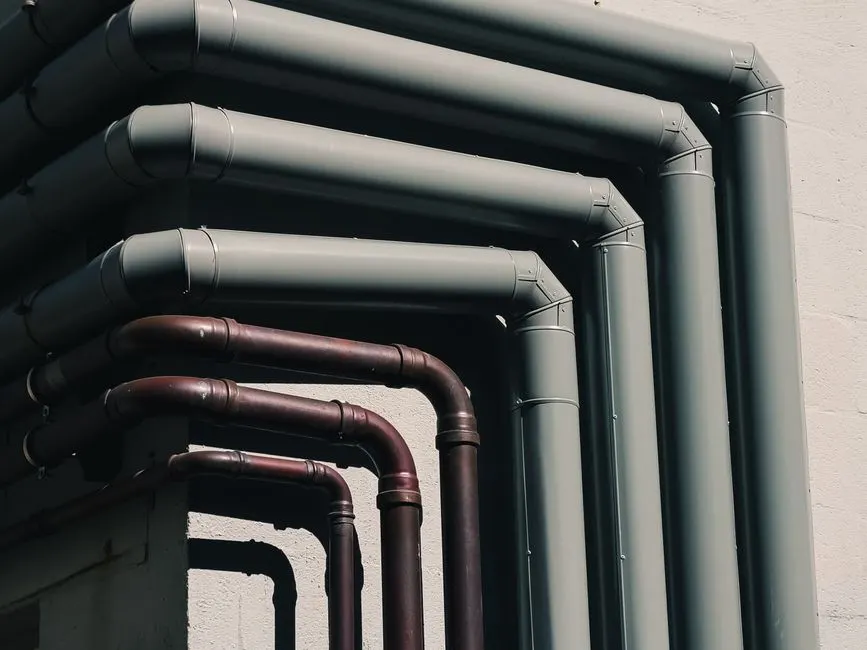
The most common plumbing problems in older Tupelo homes are corroded galvanized steel supply pipes, root-invaded clay sewer lines, sediment-choked water heaters, and worn-out fixtures that drip or run constantly. These issues are not random - they follow the building booms that shaped Tupelo's older neighborhoods, from the 1920s through the 1970s. If your home was built before 1980, you are likely dealing with at least two of them right now. This post walks through each problem, how to spot it, and what it takes to fix it.
Why Older Tupelo Homes Have More Plumbing Problems
Older Tupelo homes have more plumbing problems because the materials used before 1980 were not designed to last 50-plus years. Galvanized steel pipes corrode from the inside out. Clay sewer lines crack and shift as the soil moves. Water heaters that were installed in the 1990s are now well past their expected lifespan. The result is a house that works fine on the surface but is one cold snap or heavy rain away from a major repair.
Tupelo's climate adds to the stress. Summers push water temperatures in attic-run pipes above 120°F, which accelerates corrosion. Winters bring enough freeze-thaw cycles to crack older supply lines that have already thinned. And the heavy clay soil common throughout Lee County expands and contracts with every wet and dry spell, putting constant pressure on buried sewer lines.
We see these problems every week in neighborhoods like Mill Village, Highland, and the streets around downtown Tupelo where the housing stock dates to the mid-20th century. If you own one of these homes, knowing what to look for can save you thousands in emergency repairs.
Galvanized Steel Pipes: The Hidden Problem in Pre-1960 Homes
Galvanized steel pipes are the single most common supply-line problem in Tupelo homes built before 1960. These pipes were coated with zinc to resist rust, but the coating wears away over decades. Once the zinc is gone, the steel rusts, narrows, and eventually closes off.
The warning signs are hard to miss once you know them:
- Brown or yellow water when you first turn on a faucet
- Low water pressure at every fixture, not just one
- Water that tastes metallic
- Visible rust or pitting on exposed pipes in the basement or crawlspace
We often find galvanized pipes that have narrowed to half their original inside diameter. A 3/4-inch pipe that once delivered 12 gallons per minute might now deliver 4. No amount of cleaning fixes that - the corrosion is structural. The only real solution is repiping Tupelo MS with copper or PEX, which restores full flow and eliminates the rust source.
A whole-house repipe in a typical 1,500-square-foot Tupelo home runs $4,500 to $8,000 in 2026, depending on how many fixtures you have and whether the lines run through a slab or a crawlspace. That sounds like a lot until you compare it to the cost of repeated leak repairs and water damage.
Clay and Cast Iron Sewer Lines That Have Reached the End
Clay and cast iron sewer lines are the second major problem in older Tupelo homes, and they are the most expensive to ignore. Clay tile was the standard from the 1920s through the 1950s. Cast iron took over from the 1950s through the 1970s. Both materials have a design life of about 50 years.
Clay cracks when the soil shifts. Tree roots find those cracks - they are drawn to the moisture - and grow into the line. A root mass the size of a fist can completely block a 4-inch sewer pipe. You will know it when your toilets gurgle, your drains back up, and you hear water running in the basement when nothing is on.
Cast iron fails differently. It rusts from the inside, forming rough scale that catches paper and grease. Eventually the bottom of the pipe rusts through entirely, leaving a channel that lets waste seep into the soil under your yard. That is when you notice a soggy spot in the lawn or a sewage smell outside.
We handle both problems with sewer line repair Tupelo MS - camera inspection first, then a targeted fix. If the damage is limited to one section, we can replace just that part. If the whole line is failing, sewer line replacement Tupelo MS is the long-term answer. A full replacement in Tupelo typically costs $4,000 to $12,000 depending on length and depth.
Water Heaters in Older Homes: Sediment, Rust, and Short Lifespans
Water heaters in older Tupelo homes fail faster because the incoming water carries dissolved minerals that settle as sediment. Tupelo's municipal water is moderately hard - about 7 to 9 grains per gallon - which means a tank water heater accumulates roughly an inch of sediment every two to three years.
That sediment does two things. It insulates the burner from the water, forcing the heater to run longer and hotter to keep up. And it creates a layer of sludge that corrodes the tank floor from the inside. The result is a water heater that fails in 8 to 10 years instead of the 12 to 15 you might get elsewhere.
Signs your water heater is on its way out:
- Popping or rumbling sounds when it heats up
- Rusty or metallic-smelling hot water
- Moisture or a puddle around the base of the tank
- Hot water that runs out faster than it used to
If you catch it early, water heater repair Tupelo MS can sometimes buy you another year or two. But once the tank itself is leaking, replacement is the only safe option. A standard 50-gallon tank install runs $1,200 to $2,200 in 2026. If you are tired of sediment problems, a tankless water heater installation Tupelo MS eliminates the tank entirely and typically lasts 20 years or more.
What Are the Most Common Leaks in Older Tupelo Homes?
The most common leaks in older Tupelo homes happen at three places: under sinks, around toilets, and inside walls where supply lines run. Each one has a distinct cause and a distinct warning sign.
Under-Sink Leaks
Older homes often have original shut-off valves that have not been turned in decades. When you finally need to use them, they snap or start dripping. The supply lines themselves - often plastic or old braided steel - become brittle and crack. A slow drip under the sink can rot the cabinet floor in a matter of months.
Toilet Base Leaks
Wax rings dry out and fail. When they do, every flush pushes a little water onto the floor around the base. You might not see it until the subfloor softens or the ceiling below stains. A toilet repair Tupelo MS call is usually all it takes - we pull the toilet, replace the ring, and reset it with a new seal.
Hidden Wall Leaks
Galvanized pipes and old copper lines can develop pinhole leaks inside walls. You will not see the water, but you will see the signs: a musty smell, peeling paint, or a water bill that jumps 20 percent with no change in usage. leak detection Tupelo MS uses acoustic listening and thermal imaging to find the source without tearing out drywall.
Low Water Pressure and What It Usually Means
Low water pressure in an older Tupelo home almost always traces back to corroded galvanized pipes or a failing pressure regulator. If only one fixture is weak, the problem is local - a clogged aerator or a failing cartridge. If every fixture is weak, the issue is in the main line.
We start by testing pressure at the hose bib. Normal municipal pressure in Tupelo runs 50 to 70 PSI. If you are reading 30 or 40, the regulator may be shot. If the pressure is fine at the bib but weak inside, the internal pipes are the culprit.
Do not ignore low pressure. It forces your water heater, washing machine, and dishwasher to work harder, and it is often the first sign of a pipe that is about to fail completely.
Common Mistakes Homeowners Make with Older Plumbing
The biggest mistake we see is treating a symptom instead of the cause. A homeowner will replace a faucet because it drips, but the real problem is 60 PSI of pressure hammering a 70-year-old pipe. The drip comes back in six months.
Other mistakes:
- Using chemical drain cleaners. They eat through old cast iron and clay faster than they clear the clog. We have pulled pipes that were paper-thin after years of Drano use.
- Ignoring a running toilet. A flapper that sticks can waste 200 gallons a day - that is 6,000 gallons a month on your Tupelo water bill.
- Turning old shut-off valves. If a valve has not moved in 10 years, it may not move again. We replace them with quarter-turn ball valves so you can actually use them.
- Waiting on a water heater leak. A leaking tank does not heal. It floods. When you see moisture, call us.
If you are not sure whether your home has galvanized pipes, clay sewer lines, or a water heater on its last legs, a whole-house plumbing inspection is worth the $150 to $300 it costs. We map the system, camera the sewer, and give you a written report.
Plumbing Checklist Before Buying an Older Tupelo Home
A plumbing check before closing on an older Tupelo home covers 6 items. Most home inspectors are not plumbers, so a separate plumbing walkthrough catches what a general inspection misses.
- Pipe material. Look at the pipe where the water line enters the house and at the water heater. Gray, threaded pipe is galvanized steel; gray plastic is polybutylene.
- Sewer camera scope. A camera inspection of the sewer lateral shows roots, bellies, cracked clay, and Orangeburg pipe before you own them.
- Water heater age. The manufacture date is on the data plate or coded into the serial number. Tanks past 10 years old are near replacement.
- Water pressure. A gauge on a hose bib should read 40 to 80 psi. Under 40 psi points to corroded supply pipe or a failing pressure-reducing valve.
- Leak evidence. Check under every sink, around toilets, and in the crawlspace for stains, rot, and white or green crust on fittings.
- Meter test. With every fixture off, the water meter should not move. A moving meter means a hidden leak.
When to Call a Professional
Call a professional plumber when you see water where it should not be, smell sewage, or lose pressure across the whole house. Those are not DIY problems in an older home. A small leak inside a wall can rot framing and grow mold in a week. A blocked sewer line can back raw waste into your tub.
Our team at TupelomsPlumbing.com handles everything from a dripping faucet to a full repipe. We show up in a marked truck, diagnose the problem, and give you a flat price before we start. No hourly surprises. If you are in Tupelo and your older home is acting up, we are the plumber Tupelo MS homeowners call when they want it fixed right the first time.
Frequently Asked Questions
How do I know if my Tupelo home has galvanized pipes?
Look at the exposed pipes in your basement, crawlspace, or under sinks. Galvanized pipes are dull gray, often with rust spots, and a magnet will stick to them. Copper is reddish-brown; PEX is plastic. If your home was built before 1960, there is a good chance you have galvanized steel somewhere in the system.
What is the average cost to replace a sewer line in Tupelo?
Most Tupelo sewer line replacements run $4,000 to $12,000 in 2026. The price depends on length, depth, and whether we can trench or need to do a trenchless pull. We camera the line first and give you a flat quote before any digging starts.
How long does a water heater last in Tupelo?
A tank water heater in Tupelo lasts 8 to 10 years because of sediment from moderately hard water. Tankless units last 20 years or more with annual descaling. If your tank is over 8 years old and you hear popping, start budgeting for replacement.
Why does my older Tupelo home have low water pressure?
Low pressure across all fixtures usually means corroded galvanized pipes or a failing pressure regulator. We test at the hose bib first. Normal Tupelo pressure is 50 to 70 PSI. If the bib reads normal but inside fixtures are weak, the internal pipes are narrowed and likely need repiping.
Can I use chemical drain cleaner in an older home?
No. Chemical cleaners are harsh on old cast iron and clay pipes and can accelerate deterioration. They also rarely clear a main-line clog. For a slow drain in an older Tupelo home, use a plunger or call us for drain cleaning Tupelo MS - we snake the line and camera it to find the real cause.
Get Help with Plumbing in Tupelo
If your older Tupelo home is showing any of these warning signs - rusty water, slow drains, popping water heater, or a water bill that keeps climbing - do not wait for a small problem to become a flooded floor. We know these houses, we know the materials, and we fix them every day.
Call TupelomsPlumbing.com at (662) 550-8327 to schedule a visit. We will diagnose the issue, explain your options, and give you a flat price before we start work.