How to prevent frozen pipes in Tupelo winter
Tupelo's freeze-thaw winters crack pipes fast. Here's how to prevent frozen pipes in Tupelo winter with insulation, drip tactics, and local plumber Tupelo MS advice.
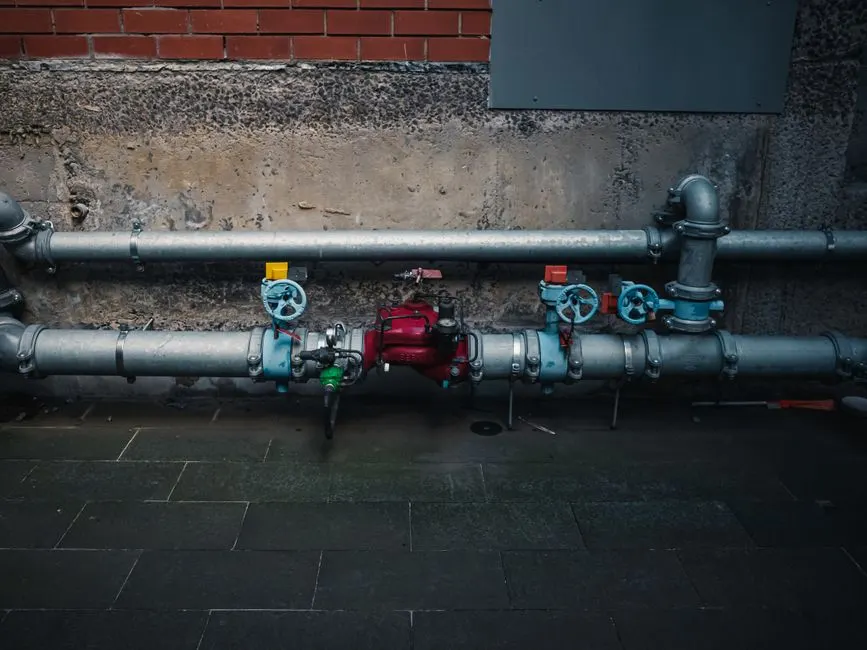
You prevent frozen pipes in Tupelo by keeping every exposed pipe above 32°F through the night, and the three moves that do it are insulation, a dripping faucet, and heat reaching the pipes. Tupelo's winters swing hard - a 70°F afternoon can drop to 18°F by 3 a.m., and that 50-degree plunge is what cracks copper and splits PEX. We're TupelomsPlumbing.com, and we've thawed enough Lee County crawl spaces to know which fixes actually work. This post covers the exact temperatures that matter, what to wrap, when to drip, and the mistakes that still burst pipes even after you've "winterized."
Why Tupelo pipes freeze so fast
Tupelo pipes freeze fast because our homes are built for heat, not cold - crawl spaces sit open to the wind, and most plumbing runs along exterior walls with little to no insulation. When a hard freeze rolls through north Mississippi, the water in a half-inch copper line can hit 32°F in under three hours.
We see the same pattern every January: a homeowner wakes up to no water in the kitchen, then finds a split in the line behind the washing machine. The pipe didn't fail because it was old. It failed because the water inside it froze, expanded about 9 percent, and pushed the metal past its limit.
If you're dealing with the aftermath right now, our emergency plumbing Tupelo MS team handles burst-pipe calls around the clock. But prevention is cheaper than repair, and it starts with knowing the number.
What temperature do pipes freeze at?
Water in your pipes freezes at 32°F, but the pipe itself doesn't have to reach that temperature - the air around it does. That's why a 28°F night with wind can freeze an exposed line even when your thermostat reads 68°F inside.
The risk window in Tupelo runs from about mid-December through late February, with the worst nights hitting the low teens. Anything below 20°F for four or more hours is when we get the most calls.
Three factors decide whether your pipes freeze:
- Exposure - pipes in crawl spaces, attics, garages, and along exterior walls lose heat fastest.
- Wind - a 15 mph wind pulls heat off a pipe the same way it chills your skin.
- Duration - a two-hour dip to 25°F is survivable; eight hours at 22°F is not.
A pipe that freezes doesn't always burst immediately. Sometimes it thaws, leaks slowly behind a wall, and you find the damage weeks later when the drywall stains. That's why we treat every frozen line as a potential leak detection Tupelo MS job - we pressure-test before we call it fixed.
Insulate the pipes that actually freeze
Insulating the right pipes matters more than insulating all of them. In Tupelo homes, the lines that freeze first are the ones feeding outdoor spigots, the washing machine, and any bathroom on a north-facing wall.
Start in the crawl space. Look for bare copper or PEX running within a foot of the foundation vent. Foam pipe sleeves cost about $2 for a 6-foot section at any Tupelo hardware store, and they take ten minutes to install. For pipes you can't reach, fiberglass batts stuffed between the joists help, but don't compress them - compressed insulation loses most of its R-value.
Heat tape is the next step up. A plug-in heat cable runs roughly $30-$60 for a 12-foot length and keeps a pipe at about 40°F in a 10°F crawl space. Wrap it in a spiral, never overlapping, and plug it into a GFCI outlet.
If your home has a history of frozen lines, the real fix is repiping Tupelo MS - moving the runs off the exterior wall and into the heated envelope. We've done this in dozens of older homes near downtown Tupelo, and it ends the problem instead of managing it.
Drip faucets and open cabinet doors
A dripping faucet keeps water moving, and moving water freezes slower than still water. On any night forecast below 25°F, open the cabinet doors under your kitchen and bathroom sinks so warm air reaches the pipes.
Let the faucet drip at the rate of a pencil lead - about one drop per second. That's roughly 2 gallons over eight hours, which costs pennies on a Tupelo water bill and can save you a $400 repair.
Pick the faucet farthest from where the water enters the house. If your main line comes in at the front, drip the back bathroom. That pulls fresh, warmer water through the whole system instead of just the first few feet.
Don't forget the washing machine. A cold-water supply line in a garage or utility room freezes before almost anything else. If you can't insulate it, shut the valve off and drain the line for the duration of the cold snap.
Disconnect hoses and winterize outdoor spigots
Disconnecting your garden hose is the single easiest freeze-prevention step, and it's the one most Tupelo homeowners skip. A hose left attached traps water in the spigot, and that water expands straight into the valve body.
Here's the routine we recommend before the first hard freeze:
- Disconnect and drain every hose.
- Shut off the interior valve feeding each outdoor spigot.
- Open the spigot outside to drain the remaining water.
- Install a foam faucet cover - about $5 each.
If your spigot is a frost-free model, it still needs the hose off. The frost-free design only works when the line can drain back into the house.
For commercial properties along West Main and the shopping corridors, we handle this as part of our commercial plumbing Tupelo MS winter prep - irrigation lines, exterior hose bibs, and rooftop units all get checked before the first freeze.
Common mistakes that still lead to burst pipes
The most common mistake is heating only the rooms you use. Closing the door to a spare bathroom or utility room cuts off the warm air that was protecting the pipes inside.
Other mistakes we see every winter:
- Setting the thermostat back too far at night. A 55°F house is fine for you but hard on pipes in an exterior wall. Keep it at 62°F or higher during a freeze.
- Leaving the garage door open. If your water heater or washer lines run through the garage, that open door is a direct cold-air path.
- Using a space heater in a crawl space. It's a fire risk, and it doesn't reach the pipes anyway. Insulate instead.
- Assuming PEX won't freeze. PEX flexes, so it bursts less often than copper, but it still freezes and still blocks your water.
- Ignoring a slow drain. A partially clogged line freezes faster because there's less flow. If your kitchen sink is draining slow, get drain cleaning Tupelo MS before the cold hits.
One more: don't pour boiling water down a frozen drain. It can crack a porcelain fixture or warp a PVC trap. Use warm water and a plunger, or call us.
What to Do If Your Pipes Freeze
Thaw a frozen pipe slowly and from the faucet end back toward the frozen spot. These 5 steps keep the pipe from splitting while it thaws.
- Open the faucet. An open faucet lets water and steam escape as the ice melts and shows you when flow returns.
- Apply gentle heat. Use a hair dryer, heating pad, or space heater. Never use an open flame or a propane torch.
- Work from the faucet back. Start closest to the faucet so melting water can drain out instead of building pressure.
- Check every other faucet. One frozen line usually means others on outside walls froze too.
- Shut off the main if you see a split. A split pipe sprays the moment it thaws. Turn off the main water valve and call a plumber.
When to call a professional
Call a professional when you've lost water pressure on more than one fixture, when you hear water running behind a wall with nothing turned on, or when a pipe has already split. Those are the three signs that a freeze has turned into a repair.
We find the frozen section, thaw it with controlled heat, and pressure-test the line before we leave. If the pipe cracked, we repair or replace that section the same day. No guesswork, no waiting for the thaw to reveal the damage.
If you're not sure whether your pipes are at risk, we'll walk your crawl space and tell you straight. That's the same approach we bring to every residential plumbing Tupelo MS job - look at the actual pipes, not a checklist.
Frequently Asked Questions
At what temperature should I drip my faucets in Tupelo?
Start dripping when the overnight low is forecast at 28°F or below. In Tupelo, that's typically December through February. Let it drip at about one drop per second on the faucet farthest from your main water entry.
How long does it take for pipes to freeze at 20 degrees?
An exposed pipe in a crawl space can freeze in two to four hours at 20°F, faster with wind. Pipes inside a heated wall take longer - usually six to eight hours. The duration of the cold matters as much as the temperature.
Will a dripping faucet prevent pipes from freezing?
Yes, in most cases. Moving water freezes slower, and the drip relieves pressure if ice does form. It won't save a pipe that's already exposed to direct wind for eight hours, but it buys you time and prevents most bursts.
What should I do if my pipes freeze in Tupelo?
Shut off the main water valve, open the nearest faucet, and warm the pipe with a hair dryer or space heater - never an open flame. If you can't find the frozen section or the pipe has split, call us at (662) 550-8327.
How much does frozen pipe repair cost in Tupelo?
Typical 2026 pricing in Tupelo runs $250-$600 for a single split section, and $900-$2,500 if the damage is behind a wall or under a slab. Prevention costs a fraction of that.
Get help with Plumbing in Tupelo
If your pipes froze last winter or you want them protected before the next hard freeze, we'll come out, find the weak spots, and fix them. One call and you're on the schedule.
Call TupelomsPlumbing.com at (662) 550-8327 for frozen pipe prevention, thawing, and repair across Tupelo and Lee County.